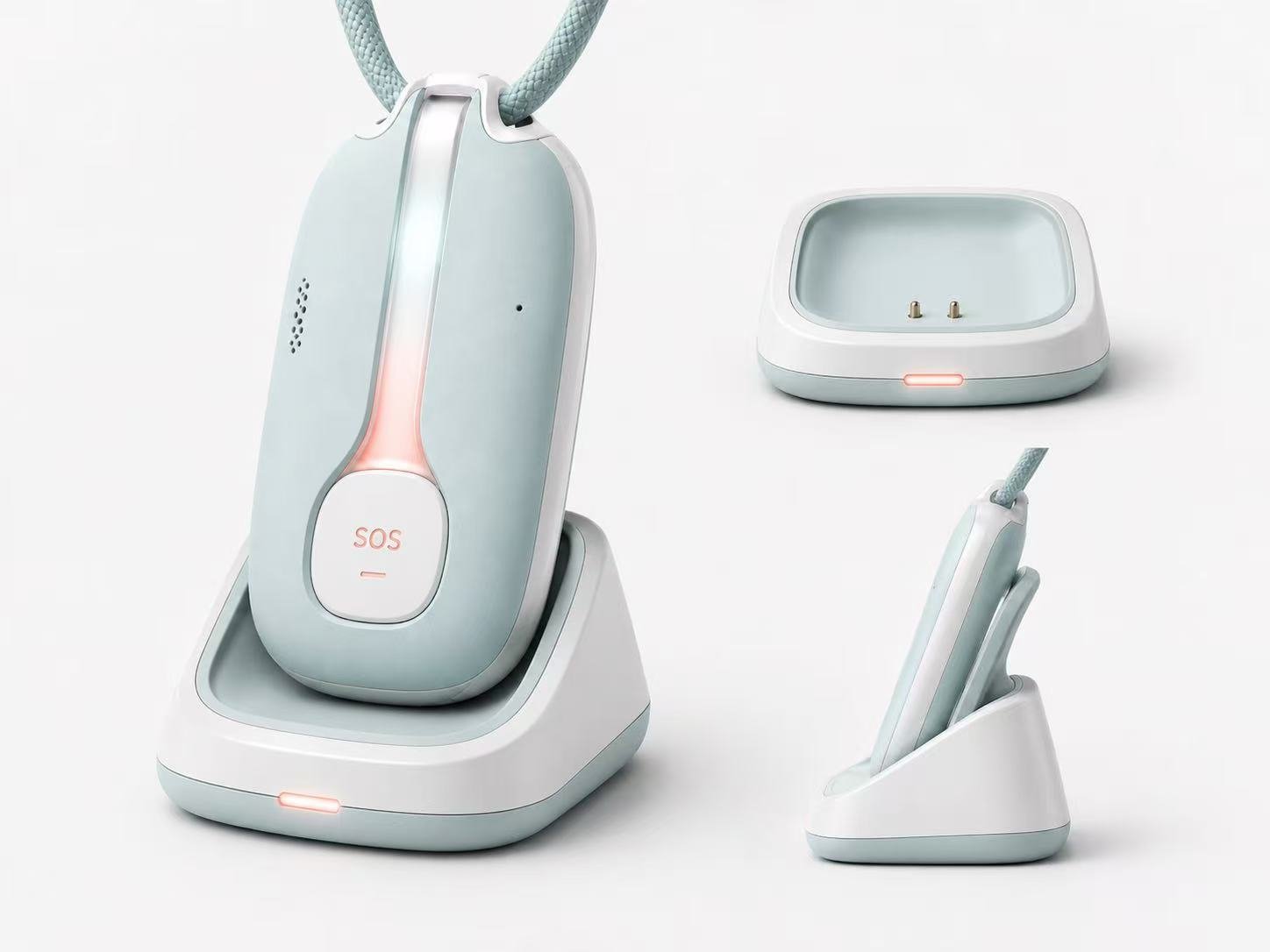
Choosing a personal alarm for a telecare service starts with the service workflow. A device needs to fit the intended users, mobile network, people receiving alerts and process for arranging assistance. This guide provides a practical evaluation framework for telecare operators, distributors and care organizations considering WPD-01.
1. Define who receives an alert
Write down who should receive an SOS, who can speak with the wearer, and what happens if the first contact is unavailable. Distinguish the device functions from the service provided by your organization. A personal alarm alone does not supply a staffed response service or guarantee emergency assistance.
WPD-01 combines one-touch SOS, two-way voice calling and fall detection. The receiving contacts, escalation workflow and any monitoring-platform connection need to be confirmed for the project. See the WPD-01 usage workflow before defining your acceptance tests.
2. Confirm the destination network before ordering
WPD-01 supports 4G connectivity and uses a Nano SIM. A 4G label alone is not enough to confirm operation with a particular operator. Share the destination country, intended operator and proposed SIM service with Amulink before ordering samples.
Ask for confirmation of supported network bands and the configuration required for calls and device communication. Do not assume global compatibility or fallback to older networks. Contact us for market-specific configuration.
3. Evaluate location in the places users visit
A home, a shared care building and an outdoor route present different conditions. Include representative indoor and outdoor locations in your sample evaluation. Record whether the location is current, how it appears to the recipient and how staff should handle an unavailable or outdated position.
WPD-01 supports GPS, Wi-Fi, BLE and cellular LBS positioning, plus A-GPS. Read our guide to the positioning methods for questions to include in your technical review. No positioning accuracy or update interval is promised here.
4. Treat fall alerts as a workflow to evaluate
Fall detection is one input to the response process. Agree a safe, supplier-guided test procedure and the criteria for reviewing false alerts and missed events. Do not ask older users to simulate a fall. Confirm how alerts are received and how two-way voice supports follow-up. Detection accuracy and configuration details must be evaluated rather than assumed.
5. Check the daily routine and integration requirements
Ask prospective users and care staff to assess carrying the device, reaching the SOS button and using the charging dock. Plan a charging routine based on sample results; an operating-time claim is not provided. Review the verified technical specifications and product brochure.
For platform integration, prepare your platform name, event requirements, contact workflow and technical constraints. Protocols, compatibility and customization availability require technical evaluation. Record acceptance criteria before progressing from samples to a wider deployment.
Build a project brief before requesting samples
- Destination country and mobile operator
- Intended users and indoor/outdoor environments
- Alert recipients and response responsibilities
- Platform and integration requirements
- Estimated quantity and sample evaluation criteria
For branding and configuration requirements, explore OEM and private-label projects. Customization availability depends on technical evaluation and project requirements.